The Ultimate Guide to Flying RC Helicopters: Tips, Tricks, and Maintenance
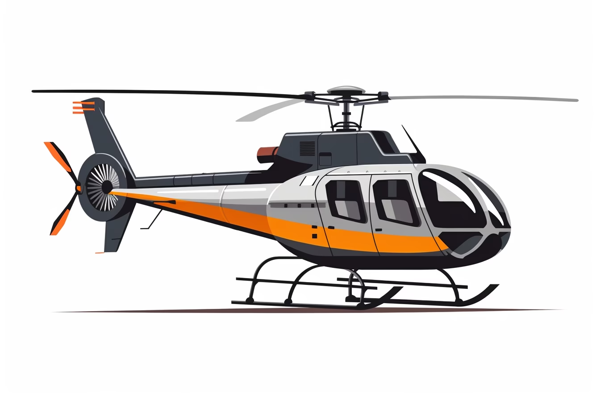
Are you fascinated by the world of remote-controlled (RC) helicopters? These miniature flying machines are not only a joy to watch but also provide a thrilling experience to those who operate them. Whether you're a beginner or an experienced pilot, this ultimate guide will take you through everything you need to know about flying RC helicopters, from essential tips and tricks to proper maintenance techniques.
Choosing the Right RC Helicopter
Before taking to the skies, it's crucial to choose the right RC helicopter that suits your flying style and experience level. There are various types of RC helicopters available, including coaxial, fixed-pitch, and collective-pitch. Coaxial helicopters are ideal for beginners, as they offer increased stability and easier control. On the other hand, fixed-pitch and collective-pitch helicopters are better suited for intermediate and advanced pilots due to their maneuverability and agility.
Consider factors such as flight time, charging time, and spare
parts availability when selecting an RC helicopter. It's also essential to check the manufacturer's age recommendations to ensure the model is suitable for your skill level.
Pre-Flight Preparation
Before embarking on your airborne adventure, take time to prepare yourself and your RC helicopter. Start by reading the instruction manual provided by the manufacturer. This valuable resource will provide insights into the helicopter's features, functions, and proper handling techniques.
Ensure that your helicopter is in good working condition by inspecting its physical components. Check for any loose screws, damaged blades, or worn-out
parts that may affect its performance. Also, ensure that the batteries are fully charged and that the transmitter and receiver are properly synchronized.
Mastering the Basics
Flying an RC helicopter requires finesse and precision. It's essential to familiarize yourself with the basic controls and movements to ensure a smooth flight experience. The main controls typically include throttle (power), cyclic (forward/backward and side-to-side movement), and tail rotor (yaw control).
Start by practicing in a wide open space with minimal obstacles. Begin by hovering the helicopter a few feet above the ground, gradually increasing altitude as you gain confidence. As you become more comfortable, experiment with different maneuvers such as forward flight, figure eights, and hovering in different orientations.
Tips and Tricks for Better Maneuverability
To enhance your flying skills and perform impressive maneuvers, consider the following tips and tricks:
- Master throttle control: Smoothly adjusting the throttle allows for precise altitude control and smoother transitions between maneuvers.
- Practice orientation: It's essential to maintain awareness of your helicopter's orientation during flight. Practice flying in different orientations (e.g., nose-in, tail-in, side-in) to improve your spatial awareness.
- Avoid overcorrection: Small and gentle inputs on the controls are more effective than sudden and exaggerated movements. Overcorrections can lead to instability and loss of control.
- Learn autorotation: Understanding autorotation, a technique used in emergency situations, can give you an added layer of safety. Practice autorotation landings to simulate a loss of power scenario.
- Fly in calm weather: Windy conditions can make flying more challenging, especially for beginners. Opt for calm weather conditions to ensure a smoother and more enjoyable flight.
Maintenance and Care
Proper maintenance is vital to keep your RC helicopter in top condition and extend its lifespan. Here are some maintenance tips to follow:
- Clean after each flight: Use a soft cloth to wipe off any dirt, dust, or debris that may accumulate on the helicopter's exterior. Be sure to clean the rotor blades and the tail rotor as well.
- Inspect and tighten: Regularly inspect your helicopter for loose screws or damaged parts. Tighten any loose screws and replace worn-out components promptly.
- Check battery health: Monitor the health of your helicopter's battery. Avoid overcharging or discharging it completely, as this can affect its performance and lifespan.
- Store properly: When not in use, store your helicopter in a cool, dry place away from direct sunlight. Remove the batteries to prevent any potential damage from leakage.
Conclusion
Flying RC helicopters can be an exhilarating and rewarding hobby. By choosing the right helicopter, mastering the basics, and following proper maintenance practices, you can enjoy countless hours of thrilling flights. Remember to always prioritize safety and take gradual steps to improve your skills. So, gear up, take to the skies, and experience the joy of piloting your very own RC helicopter!



Caroflage - October 03, 2023
"Nice post, very informative!"
Blorp - October 02, 2023
Wow, this guide is so comprehensive! It covers everything from basic tips to advanced tricks and even maintenance. I've been flying RC helicopters for a while, but I still learned a thing or two. Thanks for sharing this valuable information!
bestiality - October 01, 2023
Thx for this awesome guide! It's really helpful, especially the tips on maintenance. I've been struggling with my RC helicopter lately, so this will come in handy. Can't wait to try out the tricks!
Strop-a-dop-a-saurus - September 30, 2023
This blog post is ok but it could have been better. I was hopin' for more in-depth info on maintenance and some more advanced tips. Also, there are a few typos and punctiation errors which makes it hard to read. Overall, it's just alright.
cabbaged - September 29, 2023
Great post! I've been wanting to get into RC helicopters for a while now and this guide has all the info I need. Thanks!